
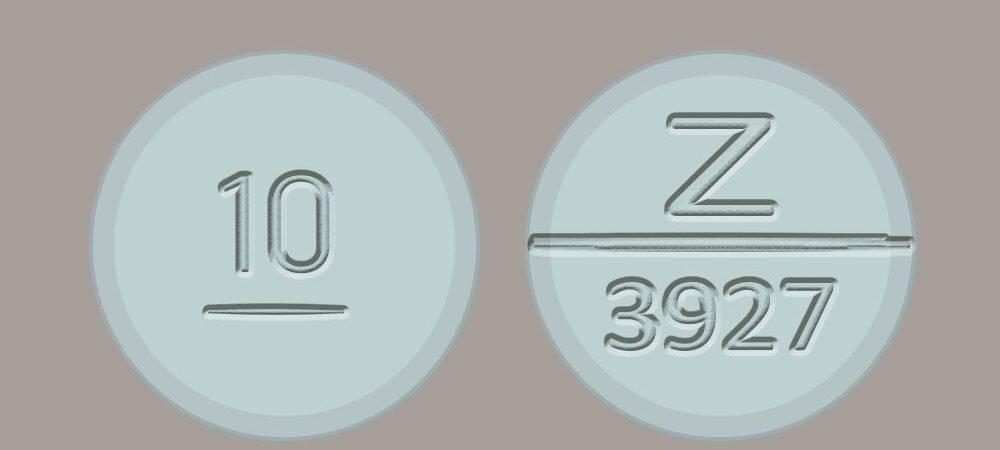
People searching for diazepam UK information often want more than a definition, and where they can get it. They may need to understand what the medicine treats, whether a clinician can prescribe it, how NHS and private costs differ, and how to go get it online. This guide answers those practical questions . It also explains why a low advertised price does not prove that a medicine or seller is legitimate. Moreover, it separates genuine care costs from product-promotion claims that a responsible UK medicine retailer should avoid.
Important: diazepam is a prescription-only medicine and a controlled drug in the UK. This article provides general information, not a diagnosis, prescription, treatment recommendation or offer to sell medicine. A qualified prescriber must decide whether diazepam suits an individual.
What is diazepam and why do people search for it?
Diazepam belongs to a group of medicines called benzodiazepines. It affects chemical signalling in the brain and can produce a calming, sedating and muscle-relaxing effect. Clinicians may consider it for specific short-term situations, including severe anxiety, muscle spasms, seizures, or sedation around certain procedures. The NHS explains these recognised uses and confirms that a prescription is required.
However, a familiar brand name or a search result does not tell a person whether diazepam is suitable for them. The reason for the symptoms, medical history, other medicines, age, pregnancy status and risk of dependence all matter. Therefore, a clinician should assess the whole situation rather than respond to a request for a particular tablet strength.
For searchers, the term diazepam UK can refer to several different questions. Some people want reliable medical information. Others want to compare the cost of an NHS prescription with private healthcare. Still others search for tablet strengths, online pharmacies or alternatives. These different intentions need different answers, and this article separates them so readers can make safer decisions.
What conditions can diazepam treat?
A prescriber may consider diazepam for severe anxiety when a short-term medicine has a clear clinical purpose. In addition, clinicians may use it for muscle spasms, certain seizure-related situations and sedation before a medical procedure. The NHS describes these uses, but that list does not mean every person with anxiety, sleep difficulty or muscle discomfort should take it.
For generalised anxiety disorder, NICE advises clinicians not to offer a benzodiazepine routinely in primary or secondary care. Instead, NICE reserves this class for a short-term measure during a crisis. This distinction matters because ongoing anxiety often needs a broader plan, such as psychological treatment, a suitable longer-term medicine, or both. At the same time, a short-term crisis recommendation should not be confused with routine, ongoing benzodiazepine treatment.
Likewise, diazepam does not treat every cause of insomnia, panic symptoms or distress. A clinician may first explore sleep habits, physical conditions, stress, alcohol use, other medicines and mental health needs. As a result, a consultation should focus on the underlying problem rather than on obtaining a named drug.
Is diazepam prescription-only and controlled in the UK?
Yes. The NHS states that people need a prescription to obtain diazepam. UK legislation also places diazepam in Class C under the Misuse of Drugs Act 1971 and in Schedule 4 Part I under the Misuse of Drugs Regulations 2001. These classifications create additional controls around its handling and supply.
.
How much does diazepam cost in the UK?
Price searches often mix together three different amounts: the NHS prescription charge, the underlying medicine reimbursement cost, and the total price of a private consultation and dispensing service. These figures are not interchangeable. Therefore, anyone comparing diazepam UK costs should check exactly what a quoted amount includes.
In practice, people comparing diazepam UK prescription routes should first identify whether they are asking about an NHS charge, a private consultation or the pharmacy cost of dispensing a valid prescription. Each figure answers a different question. For that reason, a responsible price comparison should show the service, date, location and fee components rather than presenting one unexplained number.
NHS prescription charges in England
In England, the NHS prescription charge is currently £9.90 for each prescribed item. The charge applies per item, not per prescription form. However, many people qualify for free prescriptions through age, income, benefit, pregnancy or medical exemptions. Check the NHS Business Services Authority guidance before assuming that you must pay. In fact, the prescription charge describes the patient’s NHS dispensing charge, not the standalone market price of the medicine.
If you regularly pay for several NHS medicines, a Prescription Prepayment Certificate (PPC) may reduce the total cost. The current NHSBSA prices are £32.05 for three months and £114.50 for twelve months. The NHSBSA says a three-month certificate may save money from four or more prescription items in three months; a twelve-month certificate may help from twelve or more items in a year.
For example, four separate chargeable items at £9.90 would total £39.60 over three months. A £32.05 certificate would cost less, provided the person qualifies to use it and the relevant prescriptions fall within the certificate period. Similarly, twelve chargeable items would total £118.80 at the individual rate, compared with £114.50 for a twelve-month certificate. These calculations concern NHS charges, not the retail value of diazepam tablets. More importantly, a certificate covers eligible NHS prescription charges; it does not purchase or guarantee a particular medicine.
What do patients pay in Scotland, Wales and Northern Ireland?
NHS prescriptions are free in Scotland and Wales for eligible people using the relevant national arrangements. Northern Ireland also provides free NHS prescriptions. One can get them from our store. However, cross-border arrangements can affect what a person pays when a prescription comes from one UK country and gets dispensed in another. Therefore, check the rules that apply to your GP registration, prescription form and dispensing location.
This regional difference matters for a UK-wide article. A single price statement can mislead readers because the £9.90 charge applies to chargeable prescriptions in England, not to every UK resident. In addition, some people in England qualify for free prescriptions. By comparison, Scotland, Wales and Northern Ireland operate free NHS prescription arrangements for eligible prescriptions under their national systems. Use official eligibility guidance before calculating your likely cost.
Is there a standard private diazepam price?
No single private price applies throughout the UK. A private healthcare pathway may involve a consultation fee, an assessment or follow-up fee, a prescription fee, the pharmacy price and a dispensing or delivery charge. Each provider sets its own fees. Moreover, a clinician may decide that diazepam is not appropriate, so a consultation fee does not buy a guaranteed prescription. Meanwhile, a pharmacy may explain its dispensing fee only after it confirms that it can lawfully dispense a valid prescription.
If you contact a legitimate private service about a health concern, ask for an itemised explanation of its consultation and administration fees before you book. Ask whether the quoted amount covers an initial assessment, any follow-up, prescription handling and pharmacy dispensing. However, do not interpret a low headline price as evidence that a provider will or should prescribe a controlled medicine.
Private pharmacies may also set their own prices for dispensing a valid private prescription. The final amount can depend on the product, manufacturer, pack size, pharmacy charges and any delivery service. Therefore, no responsible article can promise one universal private diazepam price without identifying a specific lawful service and a current, verified quote. In addition, an advertised consultation price may exclude the pharmacy charge or a follow-up appointment.
Why does an NHS drug tariff figure not equal a shop price?
Readers sometimes find very low figures in NHS drug tariff or prescribing datasets. Those figures can represent an NHS reimbursement or indicative tariff amount for a defined pack and period. They do not necessarily show the price a patient pays, the pharmacy acquisition cost, the cost of a private prescription, or a public retail price. For that reason, this article does not present tariff reimbursement figures as consumer prices. By comparison, a private pharmacy’s quote follows its own lawful dispensing terms and does not come from the NHS reimbursement table.
This distinction is especially important when someone searches for diazepam 2mg price UK, diazepam 5mg price UK or diazepam 10mg price UK. A tablet strength alone cannot establish a final patient cost. The prescription charge, eligibility for exemption, dispensing arrangements and private or NHS route all affect the amount. In other words, the advertised strength is only one part of a wider cost calculation.
Can you buy diazepam online in the UK?
Yes, from online pharmacies like Buymedorameds.com. The medicine requires a prescription, and a lawful pharmacy must follow the relevant controls.
What tablet strengths and forms does diazepam come in?
The NHS lists 2mg, 5mg and 10mg tablets among the available forms of diazepam. It also describes rectal tubes and injectable forms for particular clinical settings. However, availability can differ by product, pharmacy and care setting. The existence of a strength does not mean that a patient should choose it or change their own prescription.
Searches for diazepam 2mg, diazepam 5mg and diazepam 10mg often signal a person trying to identify a medicine they have seen on a label or a prescription. If the label, pack or instructions do not match the medicine supplied, speak to the dispensing pharmacy before taking it. Similarly, ask a pharmacist to explain an unfamiliar formulation rather than relying on a seller’s product description.
Do not use another person’s tablets, split or combine tablets to create a different strength, or alter a prescribed schedule without advice. A clinician chooses the medicine and instructions based on individual factors. Therefore, a search engine result should never replace the label or the advice of the prescriber and pharmacist.
What side effects can diazepam cause?
Diazepam can cause drowsiness, tiredness, muscle weakness, dizziness and problems with coordination. These effects can increase the risk of falls, accidents and impaired driving. As a result, a person should follow the advice on their prescription and ask a healthcare professional about driving, machinery or other activities that require alertness.
Some reactions need urgent medical attention. Severe sleepiness, unusual difficulty waking, slow or difficult breathing, collapse or loss of consciousness can signal a serious problem. In an emergency, call 999. Do not wait for an online reply if someone has serious breathing problems or becomes unresponsive.
In addition, alcohol and other medicines that slow the central nervous system can increase sedation. This includes opioid medicines and some other sedating treatments. Combining these substances can increase the risk of profound sedation and breathing problems. Tell the prescriber and pharmacist about all prescription medicines, non-prescription medicines, supplements and substances you use. Likewise, mention any recent changes so that the clinician can review the full combination.
Can diazepam cause dependence or withdrawal?
Yes. Diazepam can cause tolerance, dependence and withdrawal, particularly when a person uses it for longer than the prescriber intended. The NHS advises short-term use, generally up to four weeks, because longer use can lead to addiction and withdrawal symptoms.
Withdrawal can involve anxiety, sleep problems, restlessness, tremor and other symptoms. Some people experience serious complications. Therefore, anyone who has taken diazepam regularly should speak to their prescriber before stopping. Do not suddenly stop a regular prescription or create your own reduction plan. Instead, ask the prescriber to review your circumstances and explain the safest next step.
A clinician can review how long the person has used the medicine, the dose on the prescription, other medicines and any symptoms. Then the clinician can advise whether a gradual, supervised reduction is appropriate. If a person has severe symptoms, a seizure, confusion or another emergency, seek urgent medical help. Consequently, a person should not use an internet schedule as a substitute for a review.
What should you compare before choosing a healthcare provider?
Commercial searches do not always mean that someone wants to buy a medicine immediately. Often, the person wants to compare the credibility, cost and safety of different routes to care. For diazepam UK searches, the most useful comparison is between legitimate healthcare pathways, not between websites promising the lowest tablet price.
First, verify the provider’s registration and professional status. Next, check whether the service explains who conducts the assessment and whether that clinician can prescribe in the UK. In addition, look for a clear explanation of consultation fees, follow-up fees, pharmacy costs and refund terms.
A responsible service should explain that a prescriber may decline a request when the risks outweigh the benefits. It should also provide a route for follow-up, a way to raise concerns and clear advice about urgent symptoms. By contrast, a seller that promises a specific controlled medicine before any assessment should raise concerns. Equally, a genuine professional service should never imply that payment guarantees a prescription. Most importantly, compare the quality and accountability of care rather than just the lowest headline fee.
For an NHS route, start with your GP practice or an appropriate NHS service. For a private route, check the provider’s regulator and ask for transparent fees before you book. However, do not assume a private service can bypass controlled-drug rules. A private prescriber must still make an independent clinical judgement.
What alternatives might a clinician discuss?
The right approach depends on the condition. For generalised anxiety disorder, NICE recommends that clinicians discuss treatment options and does not recommend routine benzodiazepine treatment except as a short-term measure during a crisis. Depending on the assessment, a clinician may discuss psychological therapies, including cognitive behavioural therapy, or longer-term medicines such as an SSRI or SNRI. In particular, a treatment plan should address the condition rather than focus only on one medicine name.
For muscle spasms, seizures or procedural sedation, the care pathway differs. A clinician may consider other treatments, specialist assessment or non-medicine approaches depending on the diagnosis. Therefore, avoid comparing medicines as if they were interchangeable products in an online catalogue.
If symptoms are persistent, severe or getting worse, ask for a clinical review. In particular, seek urgent help if you have thoughts of harming yourself, severe confusion, a seizure, chest pain or difficulty breathing. A pharmacist or NHS 111 can advise on non-emergency next steps, while 999 is appropriate for an immediate emergency. In summary, a timely clinical review is more useful than trying to match symptoms to a product listing.
Frequently asked questions about diazepam in the UK
1. Is diazepam legal in the UK?
Yes, clinicians can prescribe diazepam for appropriate medical reasons. However, UK law classifies it as a Class C controlled drug and Schedule 4 Part I substance. A person should use only medicine supplied through a lawful prescription and pharmacy process.
2. Can I buy diazepam over the counter?
No. The NHS says diazepam requires a prescription. A website that offers it without a valid prescription or proper clinical oversight should raise a serious warning.
3. How much does diazepam cost on the NHS?
In England, the standard NHS prescription charge is £9.90 per item for people who must pay. Some people qualify for free prescriptions. Scotland, Wales and Northern Ireland provide free NHS prescriptions under their national arrangements. The charge is not the same as the underlying medicine reimbursement price.
4. What is the private price of diazepam?
There is no single UK-wide private price. A private route may involve a clinical consultation, prescription handling, pharmacy dispensing and delivery. Ask the service for an itemised fee schedule. Also remember that a clinician may decide not to prescribe diazepam.
5. Are diazepam 2mg, 5mg and 10mg tablets available?
The NHS lists 2mg, 5mg and 10mg tablets. However, a clinician must decide which medicine and instructions, if any, suit the individual. Do not select a strength based on an online search or another person’s prescription.
6. Can a private online clinic prescribe diazepam?
A private clinician may assess a patient and make a prescribing decision within UK law and professional standards. However, no service should guarantee a prescription before an assessment. Check the provider’s credentials, registration, fees and follow-up arrangements before booking.
7. How long should someone take diazepam?
The NHS advises short-term use, generally up to four weeks, because longer use can cause dependence and withdrawal. The right plan depends on the prescriber’s assessment. Do not extend, reduce or stop a regular prescription without professional advice.
8. Can I drink alcohol while taking diazepam?
Alcohol can increase diazepam’s sedating effects and may make a person dangerously sleepy. It can also contribute to serious breathing problems, especially when combined with other sedating medicines. Ask the prescriber or pharmacist for advice and follow the medicine leaflet.
9. How do I check an online pharmacy?
Use the MHRA online medicines seller register to check whether the website has authorisation. You can also check the MHRA Not Recommended list for suspicious sellers.
10. What should I do if I want to stop taking diazepam?
Contact the prescriber before making a change. Regular use can cause withdrawal, so a clinician should assess whether a gradual reduction is appropriate. Do not stop suddenly or copy a reduction schedule from the internet.
A practical checklist before you act
Before you make a decision, use this checklist to keep the focus on safe and transparent care:
Write down the symptoms, how long they have lasted and what makes them better or worse.
Prepare a complete list of prescription medicines, over-the-counter products, supplements and alcohol or other substance use.
Ask the clinician what diagnosis they are considering and what benefits and risks each option may bring.
If you compare private services, request the full consultation, prescription, dispensing and delivery fees in writing.
If you already take diazepam regularly, speak with your prescriber before changing or stopping it.
Finally, remember that a product listing cannot determine whether a controlled medicine is appropriate. A qualified clinician should assess the person, explain the treatment options and agree on a safe plan. For diazepam UK questions about costs, the most reliable starting point is the official NHS charge information and a clear, itemised explanation from any legitimate private service.