
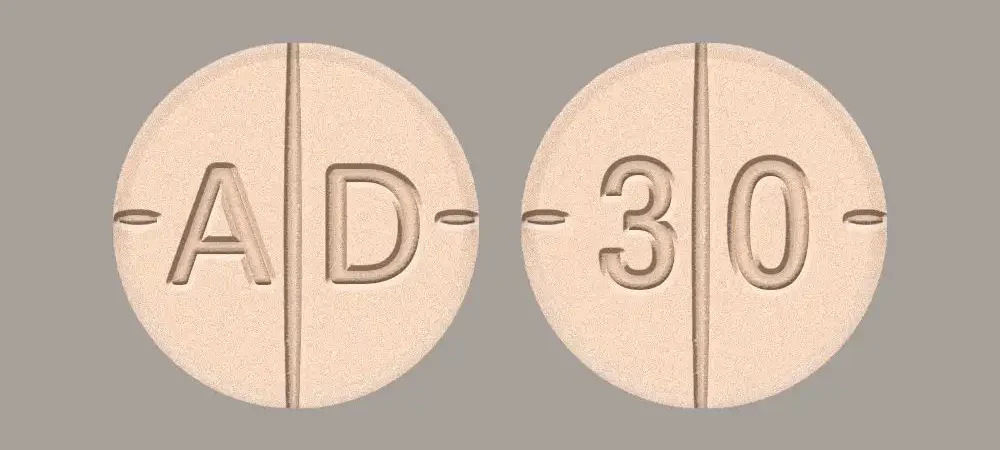
Adderall and methylphenidate are two stimulant medications associated with the treatment of attention-deficit/hyperactivity disorder (ADHD). Both can improve attention and help manage symptoms of impulsivity and hyperactivity when appropriately prescribed.
However, they are not the same medication.
Adderall contains mixed amphetamine salts, while methylphenidate is a separate stimulant compound. Although both affect dopamine and norepinephrine systems in the brain, they have different pharmacological properties.
Understanding the differences between Adderall and methylphenidate is particularly important for people researching ADHD treatment in the UK and Europe, where prescribing practices differ from those in the United States.
The main difference is that Adderall is an amphetamine-based stimulant, whereas methylphenidate belongs to a different stimulant class. Both can be effective for ADHD, but individual responses, tolerability and regulatory availability vary.
This guide compares their uses, mechanisms, potential benefits, side effects and availability in 2026.
What Is Adderall?
Adderall is a prescription stimulant containing mixed amphetamine salts.
It is primarily used to treat ADHD in the United States.
The medication affects the activity of dopamine and norepinephrine, two neurotransmitters involved in attention, motivation and behavioural regulation.
Adderall is available in immediate-release and extended-release formulations.
Potential benefits for people with ADHD include improvements in:
- Sustained attention.
- Impulse regulation.
- Task completion.
- Organisation.
- Concentration.
- Daily functioning.
However, it can also cause appetite suppression, insomnia, anxiety, increased heart rate and other adverse effects.
Adderall is not a standard ADHD prescription in the UK.
What Is Methylphenidate?
Methylphenidate is a prescription stimulant used to treat ADHD.
It is widely used in the UK and is included in NICE ADHD treatment recommendations.
It is available under several brand names, including:
- Ritalin.
- Concerta.
- Medikinet.
- Equasym.
- Delmosart.
Different formulations release medication at different rates.
Some products are immediate-release, while others are modified-release preparations designed to provide longer-lasting effects.
Methylphenidate is used to help manage attention difficulties, impulsivity and other ADHD symptoms.
It is a controlled prescription medicine in the UK.
What Is the Main Difference Between Adderall and Methylphenidate?
The primary difference is their active chemical composition and pharmacological mechanism.
Adderall contains mixed amphetamine salts.
Methylphenidate contains methylphenidate as its active pharmaceutical ingredient.
Both influence dopamine and norepinephrine signalling, but they do not work in precisely the same way.
| Feature | Adderall | Methylphenidate |
|---|---|---|
| Active ingredient | Mixed amphetamine salts | Methylphenidate |
| Medication class | Amphetamine stimulant | Methylphenidate stimulant |
| ADHD use | Common in the US | Common in the UK and US |
| UK availability | Not a standard UK prescription | Established UK treatment |
| Formulations | Immediate and extended release | Immediate and modified release |
| Appetite effects | Possible | Possible |
| Sleep problems | Possible | Possible |
| Cardiovascular effects | Possible | Possible |
| Dependence potential | Recognised | Recognised |
| Prescription requirements | Prescription-controlled | Prescription-controlled |
Neither medication is universally superior.
The most appropriate option depends on the individual’s diagnosis, health history, treatment response and clinical circumstances.
How Does Adderall Work Compared With Methylphenidate?
Both medicines affect neurotransmitter systems associated with ADHD symptoms.
However, their mechanisms are different.
How does Adderall work?
Adderall contains amphetamine salts that increase the availability and activity of dopamine and norepinephrine.
These neurotransmitters contribute to attention, motivation, alertness and behavioural regulation.
The effects can help some people with ADHD manage symptoms that interfere with everyday activities.
How does methylphenidate work?
Methylphenidate primarily inhibits dopamine and norepinephrine transporters.
This reduces the reuptake of these neurotransmitters into nerve cells, increasing their availability in relevant brain pathways.
This action can improve attention and behavioural regulation in people with ADHD.
Are their effects identical?
No.
Although both medicines influence overlapping neurotransmitter systems, their pharmacological properties are different.
Patients may experience different levels of symptom improvement and different adverse effects with each medication.
Which Is More Effective for ADHD?
There is no single answer for every patient.
Both Adderall and methylphenidate have established roles in ADHD treatment.
Effectiveness depends on several factors:
- Individual biology.
- ADHD symptom profile.
- Age.
- Coexisting conditions.
- Medication formulation.
- Tolerability.
- Treatment history.
- Overall clinical goals.
Some people respond well to methylphenidate, while others may respond better to an amphetamine-based treatment.
A lack of improvement with one stimulant does not necessarily mean that all ADHD medication will be ineffective.
In the UK, NICE provides a structured approach to selecting ADHD medicines.
For children aged five and above and young people, methylphenidate is recommended as a first-line pharmacological treatment.
For adults, NICE recommends considering either methylphenidate or lisdexamfetamine as first-line pharmacological options.
These recommendations should be interpreted in the context of individual clinical assessment.
Adderall vs. Ritalin: Are They Different?
Yes.
Ritalin is a brand of methylphenidate.
Adderall contains mixed amphetamine salts.
Both are stimulant medications, but their active ingredients differ.
The two medicines may produce different treatment responses and adverse effects.
It is therefore inaccurate to assume that Ritalin is simply another brand of Adderall.
Adderall vs. Concerta: What Is the Difference?
Concerta is a modified-release methylphenidate product.
Adderall is available in immediate-release and extended-release formulations.
Both may be used for ADHD, but their release systems and active ingredients differ.
Concerta is designed to release methylphenidate over an extended period.
Adderall XR contains mixed amphetamine salts in an extended-release formulation.
The duration and clinical response can vary between individuals and products.
What Are the Side Effects of Adderall?
Adderall can cause several adverse effects.
Commonly reported effects include:
- Reduced appetite.
- Dry mouth.
- Insomnia.
- Headaches.
- Anxiety.
- Nervousness.
- Increased heart rate.
- Increased blood pressure.
- Stomach discomfort.
- Irritability.
Serious risks can include psychiatric complications, cardiovascular problems and misuse or dependence.
Patients should discuss significant or persistent symptoms with their healthcare professional.
What Are the Side Effects of Methylphenidate?
Methylphenidate can also cause adverse effects.
Commonly reported effects include:
- Headaches.
- Appetite loss.
- Difficulty sleeping.
- Stomach discomfort.
- Dry mouth.
- Nausea.
- Increased heart rate.
- Increased blood pressure.
- Irritability.
- Mood changes.
Less common but serious reactions can include psychiatric symptoms and cardiovascular complications.
The NHS recommends monitoring for adverse effects and attending regular medical reviews.
Which Medication Has Fewer Side Effects?
There is no reliable universal answer.
Adderall and methylphenidate can both cause appetite changes, sleep disturbances, cardiovascular effects and mood-related symptoms.
However, individual tolerability varies.
One patient may experience troublesome insomnia with one medicine but tolerate another better.
Another may experience more appetite suppression or anxiety with a different stimulant.
The decision should be based on clinical response rather than general assumptions about which medication is safer.
Can Adderall and Methylphenidate Cause Anxiety?
Yes.
Both medicines can cause nervousness, restlessness or anxiety in some individuals.
People who already have anxiety disorders should discuss their symptoms during the assessment process.
ADHD and anxiety can occur together, and treatment should address both conditions.
A clinician may consider the severity of anxiety, sleep quality, cardiovascular health and previous medication responses.
Which Medication Is Better for Adults With ADHD?
Both methylphenidate and amphetamine-based medications can have a role in adult ADHD treatment.
However, the availability of specific products differs by country.
In the UK, NICE recommends methylphenidate or lisdexamfetamine as first-line pharmacological options for adults.
Adderall is not a standard UK ADHD prescription.
The appropriate treatment should be selected by a qualified healthcare professional following an ADHD assessment.
Which Medication Is Used for Children With ADHD?
Methylphenidate is a common first-line medication for children aged five and above and young people in UK NICE guidance.
Lisdexamfetamine may be considered when an adequate trial of methylphenidate does not provide sufficient benefit.
Other options may be considered according to individual circumstances.
Children receiving ADHD medication require appropriate monitoring, including attention to growth, weight, sleep, cardiovascular measures and adverse effects.
Medication should be initiated and monitored by appropriately qualified professionals.
Adderall vs. Methylphenidate in the UK
The regulatory distinction is particularly important for British patients.
Adderall is not a standard medication in UK ADHD treatment pathways.
Methylphenidate, however, is widely used in the UK.
It is available in multiple formulations and brand names through appropriate prescription arrangements.
Other ADHD medicines used in Britain include:
- Lisdexamfetamine.
- Dexamfetamine.
- Atomoxetine.
- Guanfacine in selected circumstances.
Patients in England, Scotland, Wales and Northern Ireland should consult NHS services or qualified clinicians about suitable treatment options.
What About Europe?
European medicine availability varies by country.
A product approved in one European country may not have identical authorisation, availability or reimbursement arrangements in another.
Patients researching ADHD medication in Germany, France, Spain, Italy, Belgium, the Netherlands, Ireland, Portugal, Poland, Sweden, Norway, Denmark, Finland, Austria and Switzerland should consult national regulatory authorities.
The same applies to patients in major cities such as London, Paris, Berlin, Madrid, Barcelona, Rome, Milan, Amsterdam, Brussels, Vienna, Prague, Warsaw and Stockholm.
These locations are useful geographic search terms for healthcare research, not evidence that either specific medicine is available in every location.
Can You Switch From Adderall to Methylphenidate?
A switch between stimulant medicines may be considered by a healthcare professional when treatment response or tolerability is unsatisfactory.
Reasons for reviewing treatment may include:
- Persistent side effects.
- Insufficient symptom improvement.
- Sleep difficulties.
- Appetite suppression.
- Changes in health.
- New psychiatric symptoms.
- Changes in clinical requirements.
However, Adderall and methylphenidate are not interchangeable on a simple milligram-for-milligram basis.
Switching requires professional assessment and an appropriate prescribing plan.
Patients should never attempt to calculate their own equivalent dose.
Can You Take Adderall and Methylphenidate Together?
Combining stimulant medications should not be attempted without specialist medical direction.
Using multiple stimulants can increase the risk of unwanted cardiovascular and psychiatric effects.
Potential concerns include increased heart rate, elevated blood pressure, anxiety, insomnia and agitation.
A qualified prescriber should review any proposed combination.
What About ADHD and Depression?
ADHD and depression can coexist.
Some symptoms overlap, including:
- Difficulty concentrating.
- Reduced motivation.
- Problems completing tasks.
- Fatigue.
- Emotional difficulties.
- Sleep disturbances.
Neither Adderall nor methylphenidate should automatically be considered a treatment for depression.
A proper assessment should establish whether concentration problems are associated with ADHD, depression, another mental health condition or a combination.
Treatment may include psychological therapy, ADHD medication, antidepressants when appropriate and practical support.
What If You Have PTSD, Anxiety or Cancer?
People with PTSD, anxiety or cancer may have additional considerations when selecting stimulant medication.
For people with PTSD, insomnia and heightened arousal may affect tolerability.
For people with anxiety, stimulant-related nervousness may require closer attention.
As concerns people with cancer, appetite, weight, cardiovascular health, fatigue and interactions with cancer treatments may be relevant.
A coordinated medical assessment is important before starting or changing any prescription medication.
How Do Doctors Choose Between ADHD Stimulants?
Treatment selection generally involves a detailed assessment.
Important factors include:
- Confirming the ADHD diagnosis.
- Reviewing symptom severity and daily impairment.
- Assessing physical and mental health.
- Reviewing current medicines.
- Considering previous treatment response.
- Evaluating possible adverse effects.
- Discussing patient preferences.
- Establishing appropriate follow-up and monitoring.
NICE recommends that ADHD medication should be initiated by a healthcare professional with appropriate training and expertise.
Treatment should be reviewed regularly to evaluate benefits and adverse effects.
Frequently Asked Questions About Adderall vs. Methylphenidate
1. Is Adderall stronger than methylphenidate?
Neither medicine is universally stronger. They have different pharmacological properties, and their effects vary between individuals.
2. Is methylphenidate the same as Adderall?
No. Adderall contains mixed amphetamine salts, while methylphenidate is a different stimulant compound.
3. Is Ritalin better than Adderall?
Neither is automatically better. Treatment effectiveness and tolerability depend on individual circumstances.
4. Is Concerta the same as Adderall XR?
No. Concerta is an extended-release methylphenidate product, while Adderall XR contains extended-release mixed amphetamine salts.
5. Which medication is more commonly prescribed in the UK?
Methylphenidate is an established and commonly used ADHD treatment in the UK. Adderall is not a standard UK prescription.
6. Can methylphenidate cause anxiety?
Yes. Anxiety, nervousness and mood changes can occur in some people taking methylphenidate.
7. Can Adderall and methylphenidate be taken together?
Combining them requires specialist medical oversight and should not be attempted independently.
8. Which medication lasts longer?
Duration depends on the specific formulation. Both medicines have immediate-release and longer-acting formulations, with differences between products.
9. Can adults use methylphenidate for ADHD?
Yes. Methylphenidate is one of the first-line pharmacological options recommended for adults with ADHD in UK NICE guidance.
10. Can you switch from Adderall to methylphenidate?
A clinician may consider switching when appropriate, but the medicines are not directly interchangeable and require professional management.
Conclusion: Adderall vs. Methylphenidate in 2026
Adderall and methylphenidate are both stimulant medications used in ADHD treatment, but they contain different active ingredients and work through different pharmacological mechanisms.
Adderall contains mixed amphetamine salts and is widely used in the United States.
Methylphenidate is an established ADHD treatment in the UK and is available under several brand names, including Ritalin and Concerta.
Neither medicine is automatically the best choice for every patient.
People researching ADHD treatment should prioritise accurate medical information, appropriate diagnosis and professional prescribing rather than comparing medications solely by popularity or online reviews.
For personalised treatment advice, speak with a qualified healthcare professional and consult the latest NICE and NHS guidance.